How to Make the Most of Happy Hour at a Gin Bar NYC
Happy hour can be a throwaway ritual or one of the smartest ways to enjoy New York’s bar scene. The difference usually comes down to timing, a little preparation, and knowing what kind of place you are walking into. At a good gin-focused bar, especially in a city where menus change with the seasons and bartenders move with real speed, happy hour is not just about a cheaper drink. It is a chance to taste well, learn something, and settle into the room before the crowd hits full volume.
A strong Gin Bar NYC happy hour has its own rhythm. The first twenty minutes can feel quiet and almost private. Glassware catches the light, ice is fresh, bartenders still have time for a quick recommendation, and the menu is easier to read when you are not shoulder to shoulder with three office groups ordering at once. Come in with a plan and you can leave feeling like you had a full evening out, not just a discounted cocktail.
There is also a practical reason to be strategic. Gin bars tend to attract guests who actually care about flavor, which means the details matter more. Tonic selection matters. Garnish matters. The house martini build matters. Even the shape of the ice can change how a drink holds up over twenty minutes. That level of care is part of the draw, but it also means you get more out of happy hour when you treat it as an experience, not a race to the bottom.
Start by understanding what kind of gin bar you chose
Not every gin bar in New York is aiming for the same thing. Some are polished cocktail destinations with a deep backbar and bartenders who can talk you through London dry, Old Tom, navy strength, and newer botanical styles without sounding rehearsed. Others are neighborhood spots with one or two excellent gin drinks, solid bites, and a happy hour built more around ease than education. Both can be worth your time, but your approach should change depending on the room.
If you walk into a more serious bar, happy hour is often the best time to ask questions. Before the dinner rush takes over, a bartender may have a moment to explain why one gin leans citrusy while another reads green and savory, or why a certain tonic works better with a softer, floral spirit. That short exchange can improve every drink you order after it.
At a more casual place, the advantage is usually comfort. You are less likely to feel pressure to decode a dense menu, and more likely to find a short list of proven classics done consistently. Those are often the bars where a gin and tonic and a plate of something salty deliver exactly what the hour promises.
A small point that regulars learn quickly, the best happy hour value is not always the lowest sticker price. A ten dollar well gin cocktail that is watery by 6:15 is a worse deal than a fourteen dollar house martini served properly, cold to the last sip, with a thoughtful pour and balanced dilution.
Arrive earlier than you think you need to
In New York, “happy hour” sounds broad, but in practice it can be surprisingly narrow. Some bars have a true window, often late afternoon into early evening. Others keep the special running longer, but the best seats and best service still go early. If your goal is to enjoy a Gin Bar NYC experience rather than merely consume discounted drinks, arrive at the front end of the window.
The first reason is obvious: space. The second is more important: attention. Bartenders can guide you better before the room fills. You can ask whether the house G and T uses a classic tonic or a dry Mediterranean style. You can learn whether the martini comes with a lemon twist by default or if the olives are worth ordering. You can also see the room before it changes. Some bars are bright and conversational at 5:00, then loud and packed by 6:30.
There is a food angle too. Happy hour snacks are often prepared in limited quantities or move fast because they are the easiest thing for groups to share. If there is a warm savory bite on the menu that pairs especially well with gin, order it early. I have seen too many excellent bar kitchens run out of the best item right when the room starts peaking.
Know what to order first
The first drink sets the tone. At a gin bar, the smartest opener is usually not the most complicated thing on the menu. You want a drink that tells you something about the bar’s style and the bartender’s hand.
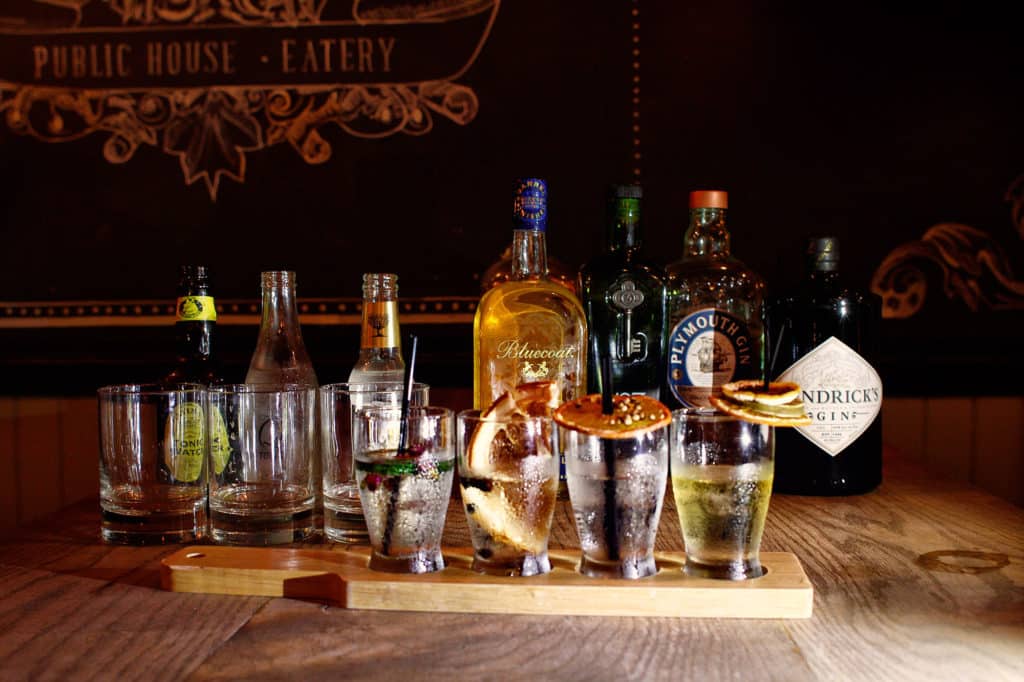
A house gin and tonic is often the cleanest test. It reveals how the bar thinks about balance, whether the tonic is proportioned carefully, whether the glassware suits the drink, whether the garnish is there for aroma or just decoration. If they get this right, the rest of the menu usually follows.
A martini is equally revealing, though it is less forgiving. At happy hour, some guests hesitate to start with one because it feels like a commitment. In practice, it is a smart move if you want to judge quality quickly. Is it cold enough? Is the vermouth fresh? Is the dilution controlled? A good martini at 5:15 tells you you are in capable hands.
If you are not ready for either, ask for the bartender’s brightest, most refreshing gin cocktail. That phrasing tends to get better results than asking for “something good,” which is too vague to be useful.
Learn the menu without turning it into homework
The best happy hour guests know how to read a cocktail menu efficiently. You do not need to study every line. Scan for structure. Look at the base spirit, then the modifiers, then the length and style of the drink. A gin cocktail with citrus and soda will land very differently than one with vermouth, liqueur, and no juice.
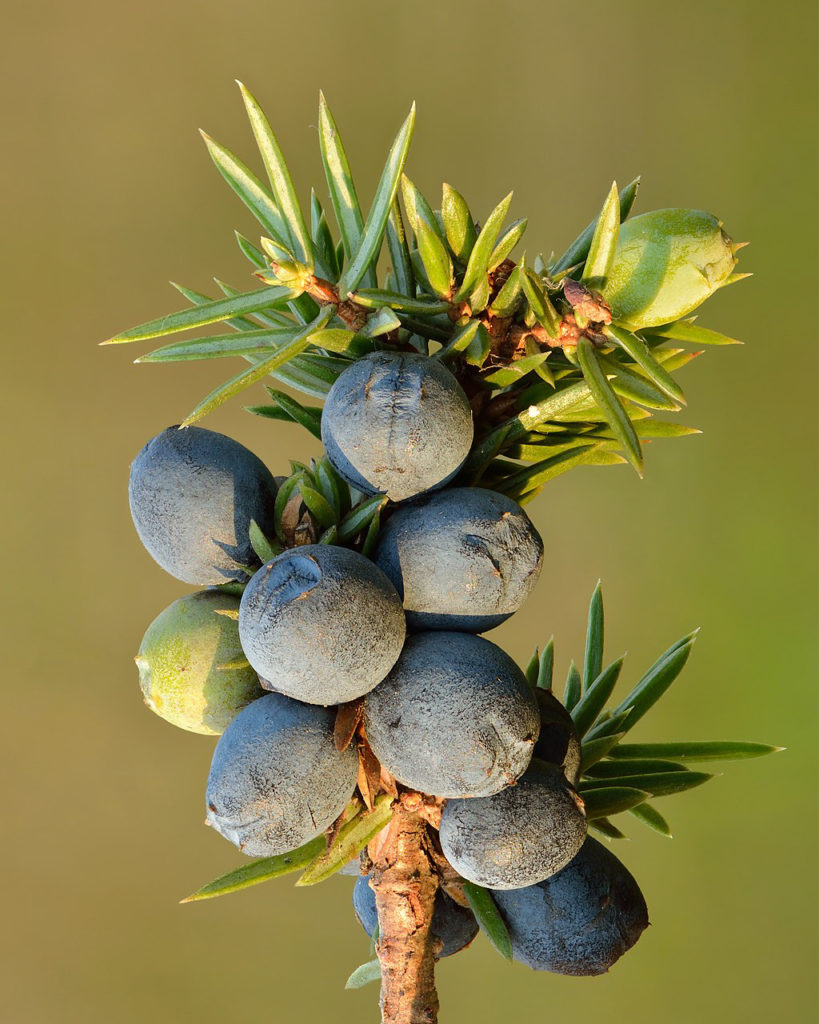
This matters because gin bars often build menus that showcase different expressions of the spirit. One drink may lean crisp and juniper-forward. Another may be floral and soft. Another may use savory herbs, cucumber, pepper, or saline to pull out a more bracing side. If you know what you tend to like, say so in plain language. “I like drier, sharper drinks, not sweet,” is much more helpful than trying to sound technical.
You also do not need to order only gin because you are in a gin-focused room. If the menu has one non-gin cocktail that clearly belongs there, perhaps a vermouth highball or a seasonal spritz, it can be a smart second round. Strong bars curate with intention, and changing pace can keep your palate sharper through the hour.
Use happy hour for comparison, not excess
One of the best ways to make the most of a Gin Bar NYC visit is to treat happy hour like a tasting opportunity. New York bars often stock multiple gins that you would rarely pour at home because buying several bottles is expensive and impractical. A bar lets you compare in measured doses.
That does not mean ordering recklessly. It means ordering thoughtfully. Split different cocktails with a friend. Ask whether a gin and tonic can be made with two different house-recommended gins across two rounds. Notice how one botanical profile changes the effect of the same format. You start to understand not just what you like, but why you like it.
This is especially useful with martinis. A martini made with a classic London dry can taste precise and angular. One made with a softer contemporary gin can read rounder, almost textured, even before you factor in vermouth. Those are the sorts of small discoveries that make a bar visit memorable.
The food pairing matters more with gin than many people expect
Gin can be delicate in one drink and forceful in another. Either way, it benefits from food that gives it shape. Salty, fatty, and lightly acidic snacks tend to do particularly well. Think of how olives, citrus, herbs, and fried textures interact with botanical spirits. The right small plate can rescue a drink that might otherwise feel too sharp, and it can elevate a simple G and T into something that feels complete.
What works best depends on the bar, but there are a few reliable patterns worth remembering:
- Briny foods such as olives, tinned fish, or oysters often sharpen gin’s citrus and herbal edges.
- Fried snacks, especially with aioli or a bright dipping sauce, soften alcohol heat and make tonic bitterness feel more refreshing.
- Cheese, charcuterie, or richer spreads pair best with martinis and stirred drinks rather than long fizzy serves.
- Cucumber, fennel, dill, and other green flavors can echo gin botanicals beautifully when used with restraint.
- Sweet bar bites usually work better after your first round than with it.
The trade-off is that the most obvious pairing is not always the most satisfying. A plate that mirrors the drink too closely can flatten the experience. If your cocktail is already heavy on cucumber and elderflower, another delicate green dish may disappear beside it. Contrast usually wins.
Ask better questions and you will get better drinks
There is an art to talking with bartenders without slowing them down or asking for a mini seminar during peak service. Happy hour is ideal for this because there is often enough room for a short exchange. The goal is not to prove you know gin. It is to give the bartender something useful.
Good questions are specific and short. Ask what gin they like in the house martini. Ask which drink is driest. Ask whether a certain cocktail drinks more floral or more citrus-forward than it sounds. Those questions invite useful answers.
Less useful are broad prompts like “Surprise me” or “What’s your favorite?” The first can be fun in a quiet bar when you already know the bartender’s style, but during happy hour it often creates unnecessary guesswork. The second usually gets you an answer shaped by diplomacy rather than honesty. Bartenders know that if they tell you their actual personal favorite and you hate it, the interaction becomes awkward.
If you have an aversion, mention it plainly. “I don’t love lavender” or “I’m not in the mood for sweet drinks” saves time and improves your odds dramatically.
Pace your ordering so the bar works with you, not against you
A common mistake during happy hour is ordering the whole plan at once or, on the other extreme, waiting so long between rounds that the evening loses momentum. Good pacing lets you enjoy the deal while staying present.
Here is the rhythm that usually works best:
- Open with a simple drink that tells you about the bar, often a gin and tonic or house martini.
- Order a snack within the first round, especially if you have not eaten much.
- Use round two for something more expressive, perhaps a seasonal signature cocktail or a second style of gin.
- If you want a third drink, choose lower intensity, such as a highball or spritz, rather than climbing stronger.
- Close your tab before the room gets slammed if you know you will leave soon.
This approach sounds almost too tidy, but it reflects how experienced regulars navigate busy New York bars. You get the value, the flavor progression, and the service benefits without hitting the point where both your palate and the bartender’s patience wear thin.
Seat choice can shape the whole experience
People talk about menus, but they underestimate seating. At a gin bar, where details and conversation can matter, where you sit can decide whether happy hour feels relaxed or transactional.
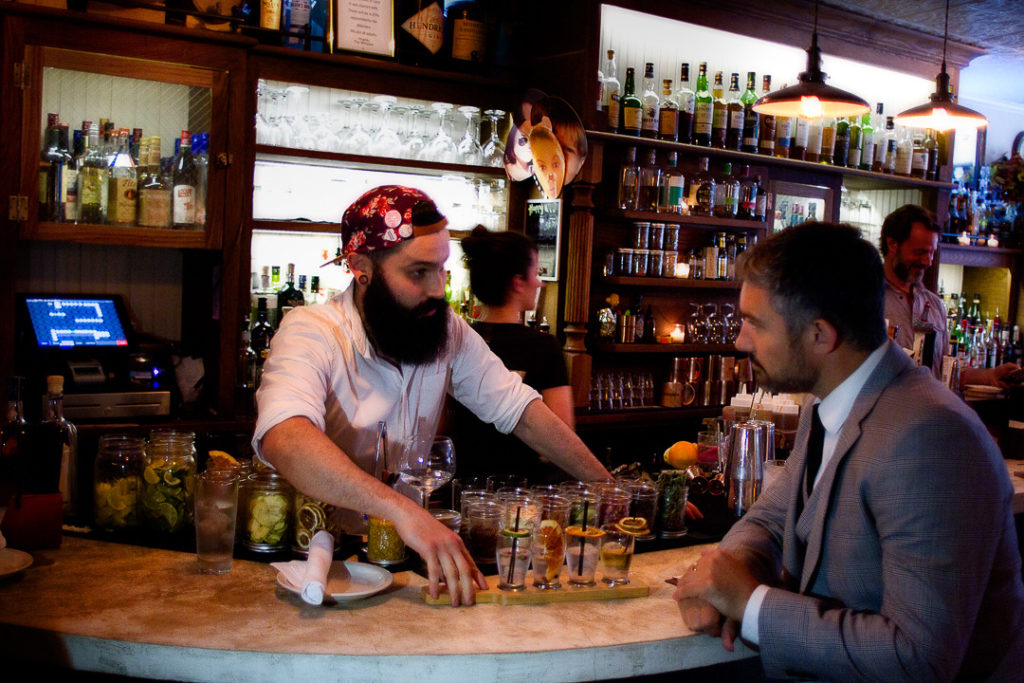
At the bar itself, you get access. You can watch how drinks are built, ask one or two quick questions, and often get your rounds a little faster. This is the best seat if you care about learning something or trying bartender recommendations. It is also the seat most vulnerable to crowding once the after-work rush begins.
A small table offers more comfort and privacy, especially if you are meeting someone and want a real conversation. The trade-off is that service can be less interactive. You may get a polished experience, but fewer opportunities for those useful small recommendations that make a gin-focused place special.
If the bar has outdoor seating, think carefully before taking it automatically. On a pleasant evening it can be ideal, but gin cocktails can be quite sensitive to temperature and dilution. A carefully chilled martini loses some of its magic in a warm sidewalk setup with city noise competing for attention. Sometimes the better move is to stay inside and let the room do its work.
Watch for the hidden value on the menu
Happy hour value often hides in plain sight. It is not always under the item labeled “special.” Sometimes it is the Gin Bar NYC reduced-price pour of a better gin, the modestly priced half portion of a strong bar snack, or the martini variation that gives you a more serious drink for only a little more money than the easy highball.
Menus also differ in how generous they are with substitutions. At some bars, asking to switch the gin in a standard serve will bump the price enough to erase the happy hour benefit. At others, the upcharge is minor and worth it if you are trying a bottle you have been curious about. This is one of those edge cases where it pays to ask directly and casually. “If I swap to that gin, does it change the price much?” is simple and respectful.
If you are meeting friends with different budgets, a gin bar can still work well. One person can order a spirit-forward classic, another can stay with a lower-cost tonic or spritz, and both can feel they are participating in the same experience. That flexibility is one reason gin bars remain strong happy hour choices across very mixed groups.
Pay attention to proof, especially with martinis and stronger house drinks
Gin happy hours can sneak up on people. A tall G and T may feel light because it is cold and sparkling, while a martini can vanish in fifteen minutes if it is very well made. If you plan to stay for dinner elsewhere or continue the evening, respect the proof early.
This is where water and pacing matter. Serious bars usually keep water flowing, but it is still wise to ask if your glass is empty. If your second round is a martini or a stronger stirred drink, give yourself a food buffer. A handful of olives is not enough. Something with substance will change the whole trajectory of the evening.
There is also no shame in ending with something lighter or nonalcoholic. Many bars now do restrained, botanical low-proof or no-proof drinks that fit the mood of a gin-focused space far better than a sugary soda ever could. If your first two rounds were excellent, a softer finish can preserve that memory rather than blur it.
Happy hour etiquette still counts, maybe more than ever
New York bars remember regulars, and not only the big spenders. They remember guests who arrive early, order clearly, treat staff well, and understand the pressure points of service. Happy hour can be the busiest, tightest margin period of the day. A little awareness goes a long way.
Be ready when you order. If you need a minute, take it, but do not wave someone over just to begin debating every ingredient with your group. Tip on the pre-discount quality of the experience, not the smallest possible interpretation of the bill. If the bartender steered you well, acknowledge it.
This matters practically. A guest who behaves like a grown professional often gets better guidance on the second round, a little more patience for a question, maybe even a nudge toward the bar’s best-value move. That is not manipulation. It is how hospitality naturally works.
Make the neighborhood part of the plan
One smart way to maximize a Gin Bar NYC outing is to think beyond the single hour. New York evenings move quickly. A good gin bar can serve as the anchor for a larger, efficient plan, especially if you are meeting after work.
Choose a bar within easy walking distance of your next stop, whether that is dinner, a show, a train, or another neighborhood destination. That lets you arrive early enough to enjoy the happy hour without mentally rushing through it. If you know you need to leave by a certain time, mention that to the person you are meeting and order accordingly.
The city rewards this kind of coordination. A sharp martini and snack near your dinner reservation can be the perfect prelude. So can a quieter gin and tonic after a long day, especially if the next stop is simply the subway home. Not every happy hour needs to become a grand night out. Some of the best are the ones that feel clean, measured, and exactly timed.
What regulars tend to do differently
People who get the most out of gin bars in New York are rarely the loudest or the most adventurous in a showy way. They are attentive. They notice whether the bar leans classic or playful. They order in a sequence that suits the room. They know when to ask a question and when to leave the bartender alone. Most of all, they understand that happy hour is not just discounted consumption. It is a narrower, often better version of the bar at its best.
That is why a true Gin Bar NYC happy hour can be such a pleasure. You get precision without the later-night crush. You get access to thoughtful drinks at a more forgiving price. You get a glimpse of the bar’s personality before the volume rises and the pace hardens.
If you approach it with a little strategy, arrive on time, order with purpose, pair your drinks properly, and keep your pace under control, happy hour stops feeling like a generic special and starts feeling like insider timing. In a city with no shortage of places to drink, that distinction is worth a lot.
The Winslow
243 E 14th St
New York, NY 10003, United States
Phone: +1 212-777-7717
FAQ About Gin Bar NYC
How to do a gin tasting?
Start with a small pour and gently smell the gin before taking a small sip. Notice its juniper, citrus, floral or spice notes, then compare how the flavor changes with a little water or tonic. At a gin bar, ask the bartender to explain the selection and botanical pairings.
How to make the best tasting gin and tonic?
Use chilled gin, fresh tonic and plenty of ice. A common starting ratio is one part gin to two parts tonic, adjusted to taste. Choose a garnish that complements the gin's botanicals and stir gently to preserve the bubbles.
What is the smoothest tasting gin?
There is no single smoothest gin for everyone. Perceived smoothness depends on the botanical recipe, alcohol strength, serving temperature and mixer. Describe whether you prefer citrus, floral, herbal or juniper-forward flavors so a bartender can suggest a suitable style.